Arkadiusz Milik's Struggles: From Star Striker to Injury Woes
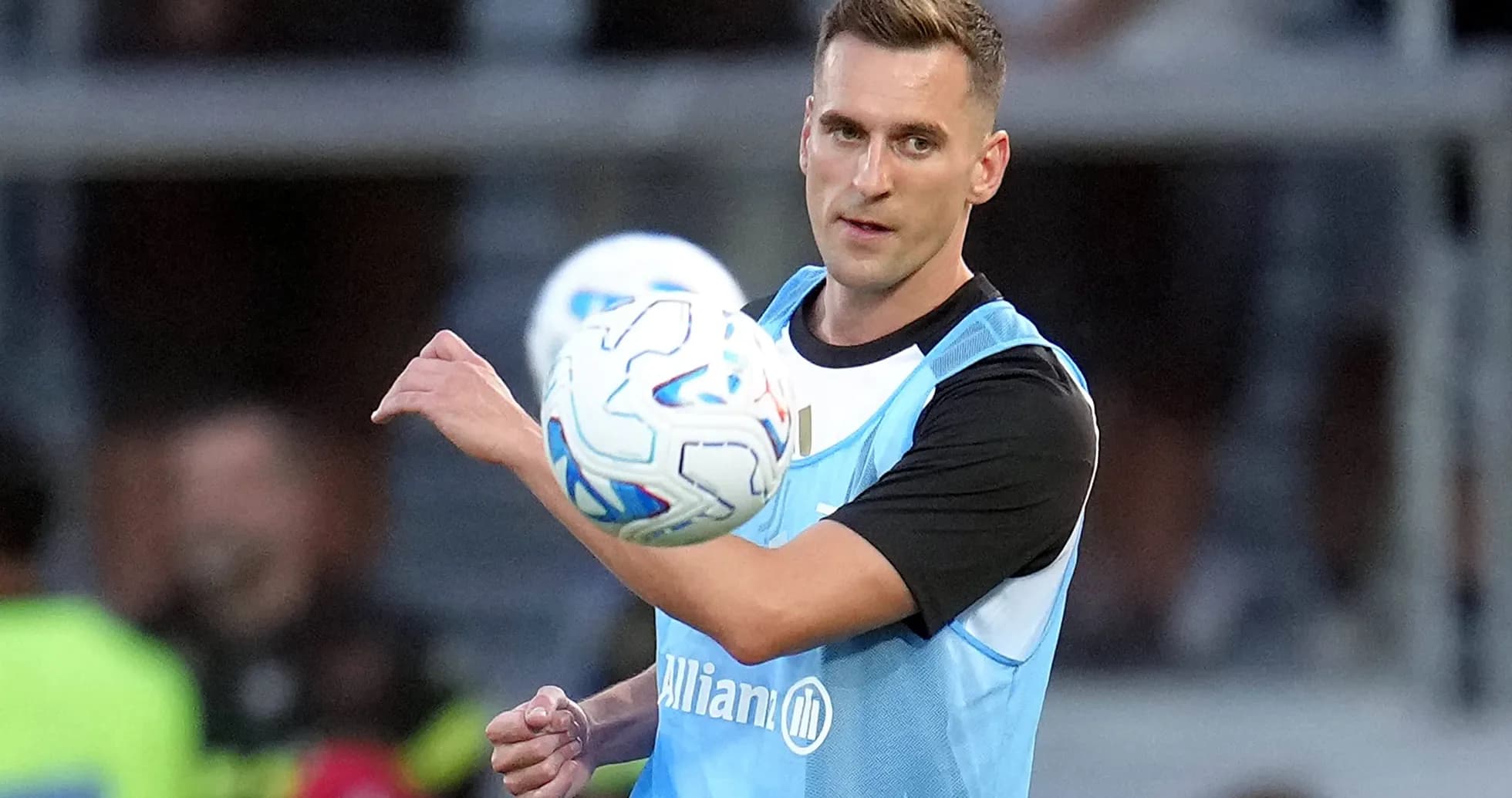
Arkadiusz Milik used to live in the part of the pitch where careers are made and legends are written. The penalty area was his territory, the net his natural destination. At Ajax and in those early days at Napoli, he looked like a striker built for the highest level in Europe.
Now, at 32, he is fighting just to get on a team sheet.
From leading man to omission
The latest blow came before a ball was even kicked in this Serie A season. When Juventus named their league squad, Luciano Spalletti left Milik out. No room in the Europa League list either. In the pecking order, the once-feared finisher sits behind Nick Woltemade and Randal Kolo Muani, two new arrivals who have yet to fully convince themselves.
For Milik, the message was brutal: at best, Coppa Italia minutes. Token chances. If that.
Even those have not arrived. He is injured again.
Since his move to Turin in the summer of 2022, Milik has managed only 77 appearances for the Italian giants. From the summer of 2024, the numbers are even starker: two games, 34 minutes. The rest has been spent in the shadows of the training centre, in rooms that smell of liniment and frustration. By now, he probably greets the rehabilitation staff more often than many of his own teammates.
Across his Juve spell, he has missed around 100 matches. The list of problems reads like a medical report from a career twice as long: knee, calf, shin, now a muscle issue that has shut down any hope of a clean restart. Juventus have not disclosed the exact diagnosis or a timetable, but Italian reports point to an overuse problem. The body of a striker once accustomed to three games a week no longer tolerates the daily grind of the training pitch.
The man who once bullied defences now fights his own legs.
A flicker of hope in Perth
There was a moment, fleeting but real, when it seemed the story might bend back in his favour.
During pre-season, in Perth of all places, Milik finally broke a drought that had stretched to 813 days. A goal against Palermo in a friendly, a simple act he used to repeat with ease, suddenly felt like a small redemption. His celebration carried the relief of a man who had spent too long staring at the scoreboard without his name on it.
It looked like the first step of a new chapter. It wasn’t. The next chapter was written in the medical room.
With every setback, the stakes rise. His contract runs out at the end of the season, and for the first time in his professional life, he faces the possibility of being without a club. A winter move looks remote; buyers do not queue for strikers who cannot stay fit.
Juventus had already surprised many by extending his deal in April 2025. The decision came with a financial twist: as reported by Gazzetta dello Sport, the club stretched his €3.5 million salary over two seasons, lowering the annual hit and keeping him on reduced terms.
It was not just an accounting trick. It also spoke of respect. Juventus chose to back a player who was already spending more time on the treatment table than on the pitch, hoping he might still rediscover the form that had first seduced them.
The Juve version that never fully arrived
When Milik first landed in Turin in 2022, on loan from Olympique Marseille, he looked like a smart piece of business. Used mostly off the bench, he still produced nine goals and one assist, the numbers of a striker who does not need many chances to make a difference. Juventus paid around €7 million to make the move permanent a year later.
He responded with another eight goals in just over 1,000 minutes. Efficient, reliable, a specialist who understood the box. Then the injuries tightened their grip again, and the promise of that early stretch dissolved into absences and aborted comebacks.
The sense of waste around his time at Juventus is not about talent. It is about time lost.
The rise that made Europe take notice
To understand why his current plight feels so harsh, you have to go back more than a decade.
Milik’s first brush with the Bundesliga at Bayer Leverkusen was forgettable: eight league games, no goals, a spell with the reserves, and a loan to FC Augsburg. Nothing in that period suggested he would become one of Europe’s most coveted young strikers.
Ajax Amsterdam changed everything.
On loan in 2014/15, he exploded: 23 goals and nine assists in 34 appearances. Ajax moved quickly to make the deal permanent, and Milik repaid them with a season that pushed his name into every scouting report on the continent. In the Eredivisie alone, he hit 21 goals and set up eight more.
Napoli did not hesitate. They paid €32 million, turning Ajax’s outlay into a profit of almost €30 million and betting big on a left-footed finisher who looked ready to dominate.
In Italy, he started like a man determined to justify every cent. Two braces in his first four Serie A matchdays, another in the Champions League. Then his cruciate ligament went. In his second season in Naples, another serious knee injury followed.
He came back, as he always did, and still found ways to score. But his trajectory had shifted. The conversation around him no longer centred solely on his goals; it always included the word “if”.
The decision that changed everything
The turning point came in the summer of 2020, when football and business collided at the worst possible moment for Milik.
He wanted Juventus. Roma were heavily linked as well, but his preference was clear. Napoli president Aurelio De Laurentiis held firm on his valuation, and the move stalled. Milik then refused to extend a contract that had just one year left. Coach Gennaro Gattuso responded by leaving him out of the squad.
At what should have been his peak, Milik became a spectator. A high-earning, high-value forward marooned in the stands.
“They gave me a choice: either I sign or I leave,” he later told Polish media. “I decided that I wanted to try something new, a different place. (…) A professional career is short; I am 26 years old. I want to keep growing, to be a better footballer. I think the time is right to take on a new challenge. I am a person who follows his feelings.”
He followed those feelings into a stand-off that cost him a season of his prime.
The stalemate eventually broke in January 2021. Milik extended his deal and left on loan for Marseille, a move that still delivered almost €10 million to Napoli the following summer. In France, the story briefly resembled the old script again: 30 goals in 55 games, a reminder that in the penalty area, his instincts remained razor sharp.
His long-held ambition finally came to life when Juventus called. Yet the version of Milik they signed has been glimpsed only in flashes, buried beneath recurring injuries and the relentless churn of a squad moving on without him.
What comes next for Milik?
So here he is now: 32 years old, injured again, out of Juventus’ league and European squads, and running out of time to convince anyone that he can still be a reliable No. 9 at the top level.
The numbers from Ajax, Napoli and Marseille have not disappeared. Nor has the technique that once made him a nightmare for centre-backs. But football is unforgiving with strikers who cannot stay on the pitch, and the calendar does not slow down for anyone.
In a few months, Arkadiusz Milik could be something he has never been before: a free agent, looking for a club, his future resting not on highlight reels from Amsterdam or Naples, but on the simple, brutal question every sporting director will ask.
Can he still play every week?