Argentina's Homecoming: Preparing for the September Window
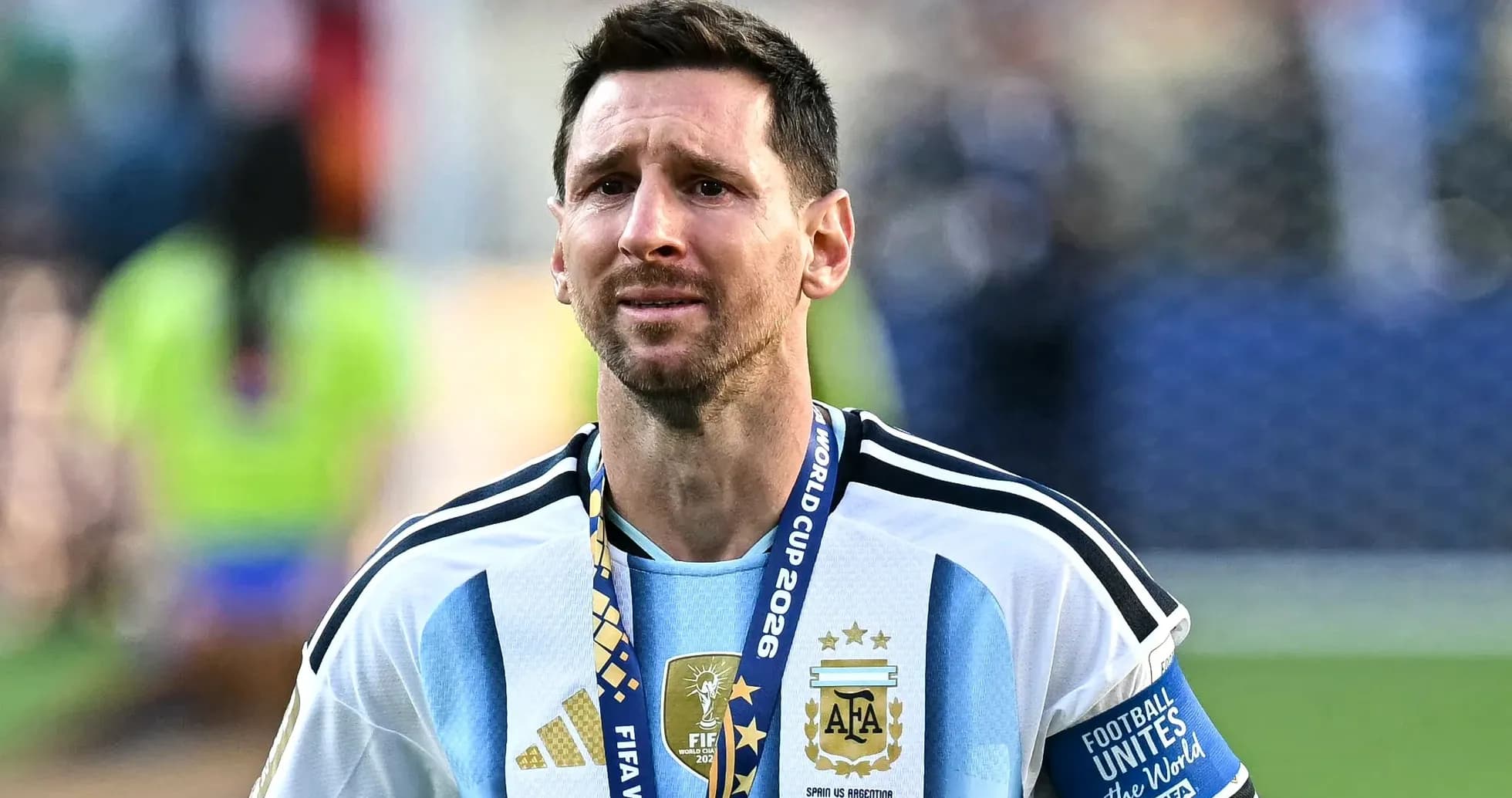
The national team are heading back to their people.
The Argentine Football Association (AFA) are putting the final touches to a three‑match home series in the FIFA window between 21 September and 6 October, according to ESPN Argentina, with Lionel Scaloni’s side now overwhelmingly likely to spend the entire break on home soil.
The plan starts where it always feels most natural: El Monumental. The first game is pencilled in for River Plate’s stadium against either a South American rival or CONCACAF opposition, a classic Buenos Aires stage for a team stepping into a new chapter.
After that, the caravan moves inland. Cordoba and Rosario have emerged as the leading candidates to host the other two fixtures, a deliberate attempt to spread the Albiceleste’s homecoming beyond the capital and into provinces that have lived this golden cycle largely from a distance.
On Sportscenter’s morning edition, ESPN journalist Diego Monroig detailed just how close the AFA are to locking in a fully domestic window. He reported that Scaloni’s team have “a 90 percent chance” of playing all three games in Argentina after their original overseas tour fell apart.
That collapse has a clear trigger. Lionel Messi’s decision to end his international career abruptly killed off a planned Asian tour, which had included a friendly against China that insiders had described as “almost confirmed.” With the captain gone, the commercial and symbolic logic of a long‑haul trip evaporated. The focus swung back to home.
While friendlies are being shuffled, the bigger picture in South American football is being thrashed out in meeting rooms.
CONMEBOL are deep in talks with FIFA to define how many World Cup spots the continent will hold for the next edition. The key question is simple but decisive: will the automatic places for co‑hosts Argentina, Uruguay and Paraguay be subtracted from South America’s traditional 5.5 berths, or added on top?
The answer will shape an entire qualifying campaign. Whatever FIFA decide, Argentina have already made their stance clear. Despite holding a guaranteed place as co‑hosts, the federation have formally requested to play the qualifiers in full. The message is competitive and political at once: no free rides, no soft preparation, and no loss of visibility across the region.
On the pitch, the looming three‑game autumn run is more than a gentle reintroduction after a World Cup. It is Scaloni’s first real laboratory since July’s narrow 1–0 defeat to Spain in the World Cup final, a result that closed one era and exposed the urgency of the next.
He now has to redraw the tactical blueprint without the figure who has defined it for over a decade. The structure, the pressing triggers, the creative responsibility – everything shifts when Messi is no longer the gravitational centre of every attack and every dressing‑room conversation.
This September window, and the next one between 9 and 17 November, will come at a relentless pace. The calendar offers little room for nostalgia. It hands the coaching staff something more valuable: a compressed, high‑stakes stretch to bed in a new generation, test combinations, and decide who can carry the shirt into 2027 and beyond.
Three home games, a country still basking in recent glory yet staring at a Messi‑shaped void, and a coach with a licence to rebuild. For Argentina, this is no farewell tour. It is the first hard step into life after their greatest No. 10.