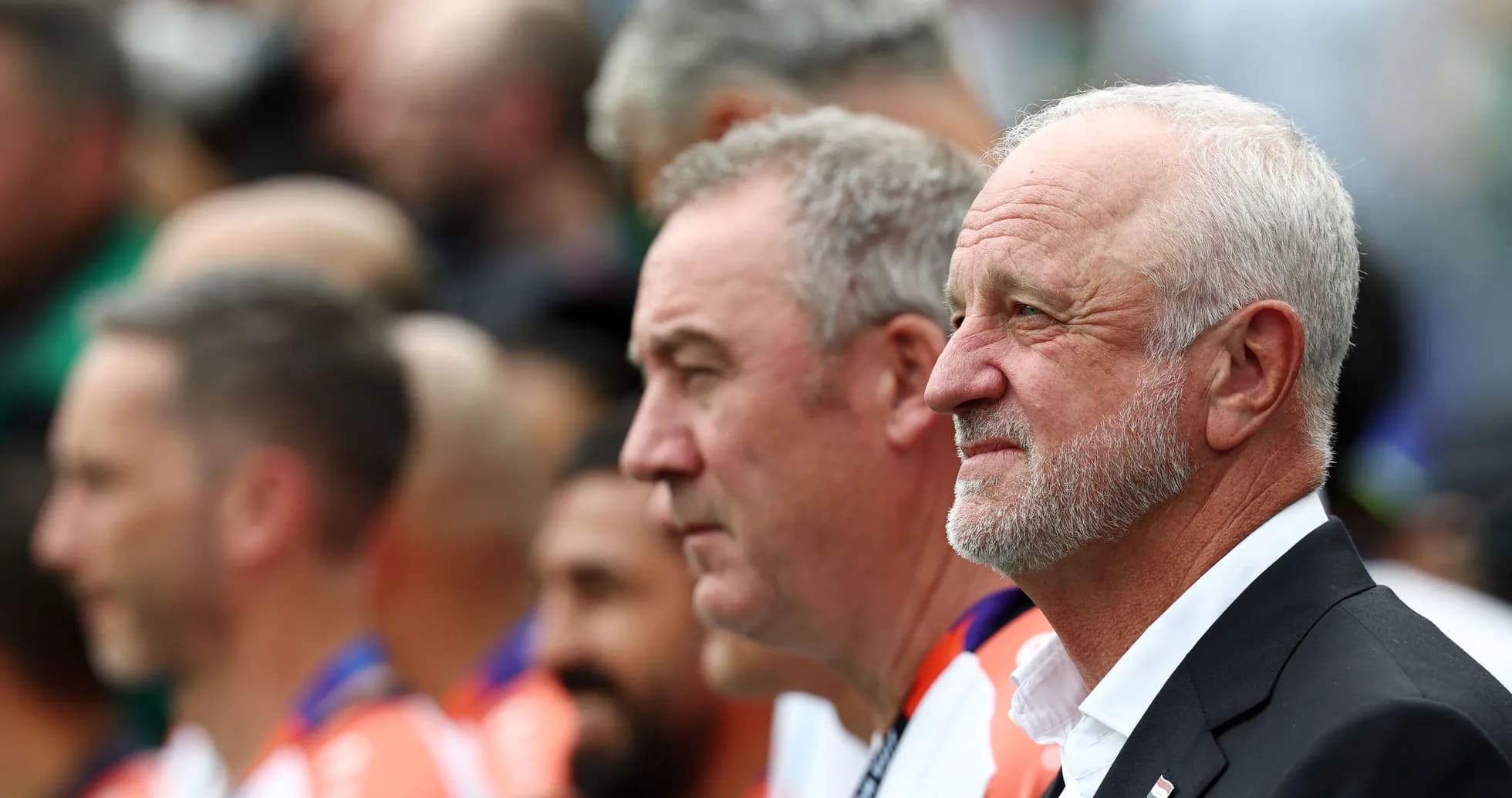
Argentina's Golden Era Faces Uncertainty
The Argentine Football Association is living through a storm that no trophy can calm. Titles glitter in the cabinet, but behind the scenes the foundations are shaking, and at the centre of it all stands Claudio Tapia.
The AFA president is locked in a high-stakes legal fight, facing serious money-laundering allegations that have dragged the governing body into a deep institutional crisis. What began as a courtroom drama has spilled into every corridor of the federation, clouding decisions, delaying plans and leaving the national team to feel the weight of a battle far removed from the pitch.
Even the basics have started to creak. Argentina’s upcoming friendlies — against Burkina Faso, Bolivia and Benin — were only confirmed yesterday, after weeks of administrative drift. For a world champion, that kind of uncertainty is jarring. It speaks of an organisation distracted, consumed by issues that have nothing to do with tactics or team selection.
Then comes the money. Or rather, the money that has not arrived.
According to La Gazzetta dello Sport, the World Cup bonuses promised to the players remain unpaid. That revelation has cut deep. This is a group that delivered the greatest prize of all, then went on to lift back-to-back Copa America titles and reach another World Cup final. They expected respect, clarity, and the fulfilment of commitments made in the glow of victory. Instead, they have been left waiting.
The delay has frayed the bond between the dressing room and the federation hierarchy. Icons of the Selección, men who carried a nation on their backs, now feel slighted by the failure to honour agreements. It is not just a financial issue; it is a question of trust and recognition. When that begins to erode, so does the sense of unity that powered Argentina through their most glorious run in modern history.
Hovering over all of this is the figure who defined that era more than any other: Lionel Messi.
Messi has already stepped away from international football, but the AFA has been pushing to stage a grand farewell, a final, orchestrated goodbye for the greatest player the country has ever produced. For now, he is unconvinced. Reports suggest the proposals on the table have not persuaded him, and in the current climate it is not hard to see why. The atmosphere is heavy, the politics messy, and the idea of a celebratory curtain call feels oddly out of sync with the turmoil around the team.
That tension is feeding into the squad’s mood. Motivation among the established stars to fly to South America for low-profile friendlies is sinking fast. Facing Burkina Faso, Bolivia and Benin under normal circumstances might have been framed as a chance to stay sharp and give fans a show. In this context, it feels more like an obligation than an opportunity.
So attention turns to the man on the touchline, and the picture there is no less unsettling.
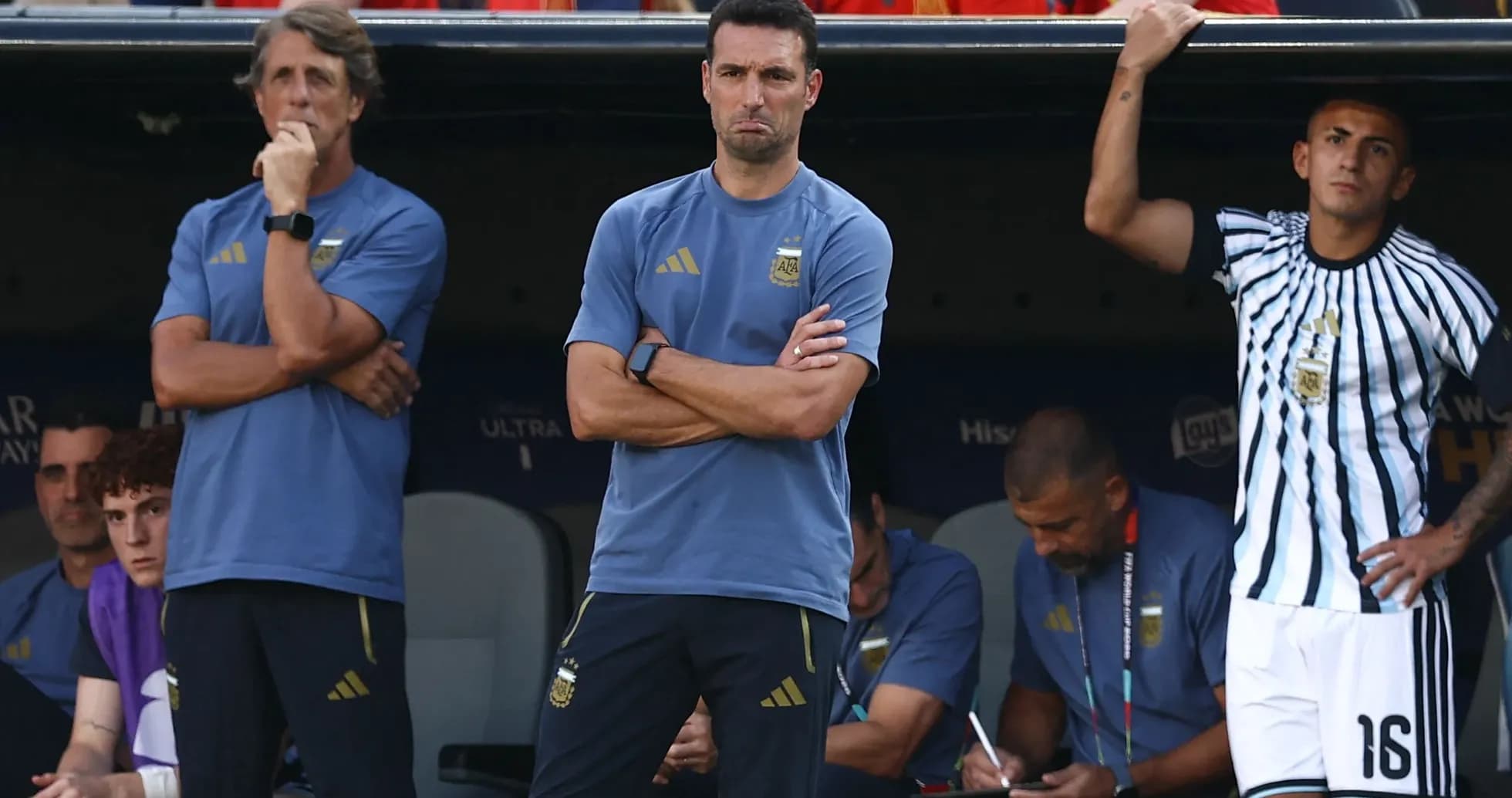
Lionel Scaloni, the architect of Argentina’s resurgence, is widely believed to see his cycle nearing its end. The coach who delivered the 2021 and 2024 Copa America titles, the 2022 World Cup and a place in this summer’s World Cup final reportedly has no intention of extending his contract beyond December 2026. For a nation still basking in the glow of his achievements, that sounds like a countdown.
This is not just about a coach tired of the grind. It feels like a natural closing of a chapter. Scaloni has overseen a generational shift, reshaped the team around Messi, then carefully prepared it for life beyond him. To hear that he is effectively setting an end date sends a clear message: the most successful era in Argentina’s modern football history is moving towards its final act.
He is not alone in that stance. Much of his trusted backroom staff share the same outlook. Walter Samuel, the former Inter and Roma defender and a key figure on the bench, is among those understood to be preparing to leave alongside Scaloni. Their departure would not be a simple change of coach; it would be the dismantling of a project that has defined an era.
All of this lands squarely on the current international window. The marquee names, already bruised by unpaid bonuses and weary of the off-field noise, are said to be far from enthusiastic about making the trip. The opponents lack glamour. The environment feels unstable. The emotional fuel that once made every Argentina call-up a sacred duty is running low.
Scaloni may have no choice but to adapt. Faced with a frustrated, disillusioned core and a federation scrambling to restore order, he could be forced to rest several of his biggest stars for these friendlies. That would open the door to fringe players, youngsters and hopefuls eager to seize a rare chance to wear the shirt while the veterans step back from the chaos.
What emerges, then, is a stark contrast: on one side, the memory of a team that conquered the world with unity and conviction; on the other, a present defined by legal battles, financial disputes and an uncertain future on the bench. Argentina are still world champions in name, still feared on the pitch, but off it they are fighting to keep their house from collapsing just as the party should be at its loudest.
The question now is not whether this era will end. Scaloni’s stance suggests that is already written. The real test is whether Argentina can manage the transition with the same calm authority they showed in winning it all — or whether this golden generation will watch its legacy dragged into a storm it never created.