Argentina’s AFA Crisis Deepens Amid World Champion Turmoil
Two months after losing the World Cup final to Spain, Argentina should be easing into a new cycle, regrouping around a golden generation and planning the next assault on world football.
Instead, the Argentine Football Association (AFA) is on fire.
Administrative turmoil, financial strain and legal accusations are converging into a storm that now threatens to spill directly onto the pitch during the upcoming international break.
Tapia under pressure, AFA under suspicion
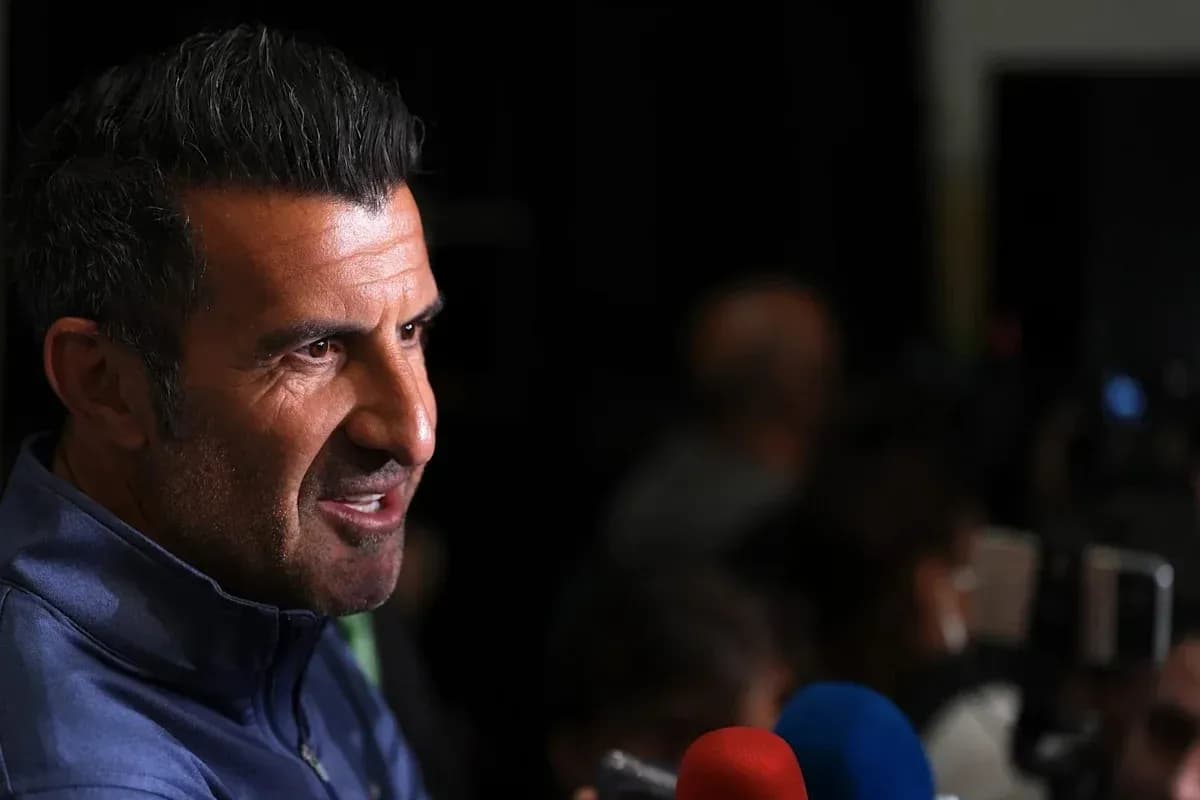
French outlet RMC did not bother with euphemisms: the AFA, they reported, is in “chaos”. At the centre stands president Claudio “Chiqui” Tapia, facing accusations of money laundering involving figures both inside and outside Argentina.
The legal battle has started to move from the courtrooms into the dressing room. What began as a governance crisis is now brushing up against the very team that delivered the 2022 World Cup and reached the final of the latest edition.
The timing could hardly be worse.
Scaloni nearing the exit
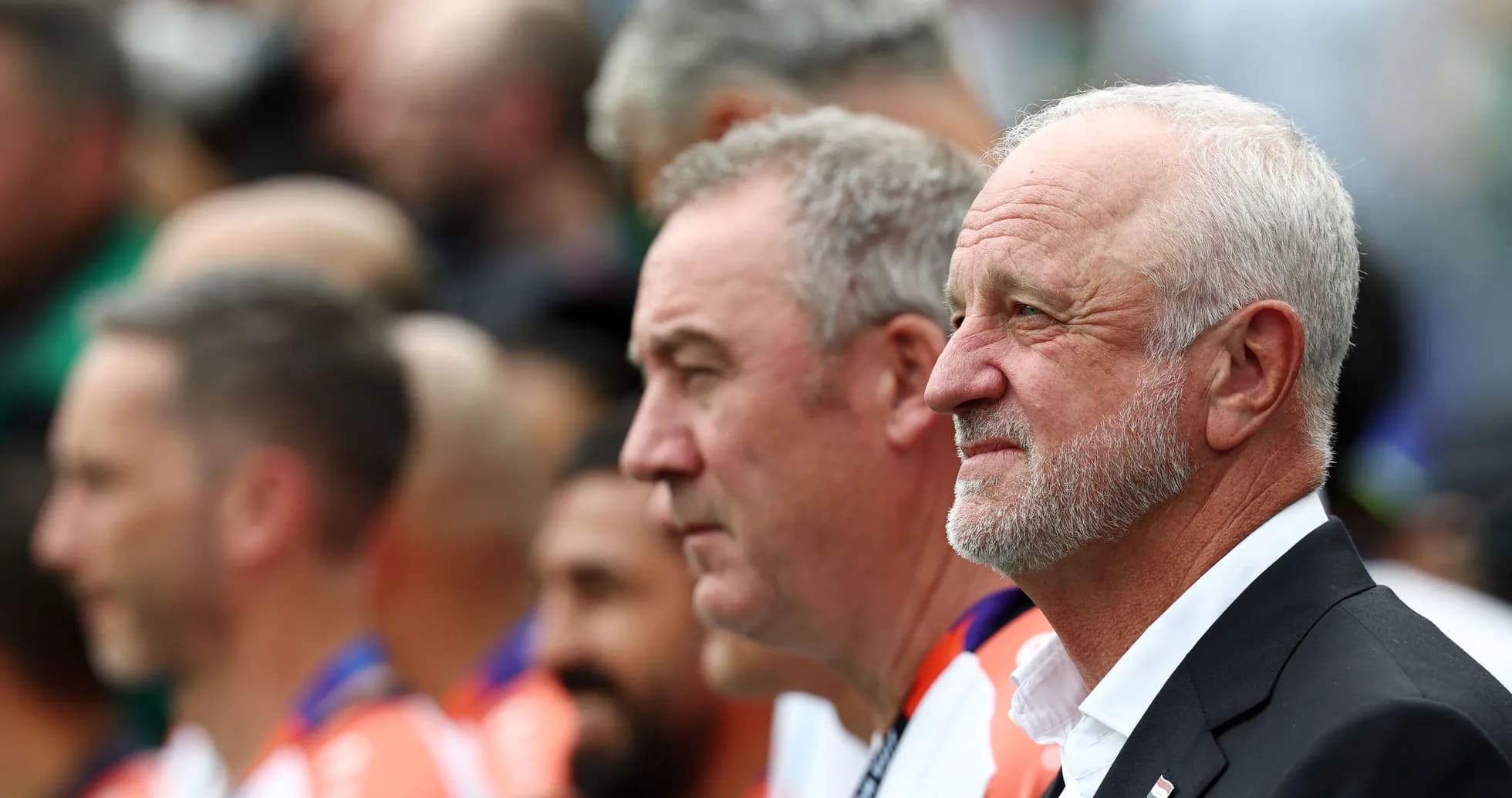
On the bench, uncertainty is turning into a countdown. Lionel Scaloni’s contract runs out on 31 December. Officially, nothing has been signed, sealed or announced. Unofficially, the feeling around the camp is that the story is nearing its final chapter.
Scaloni, 48, the architect of Argentina’s 2022 triumph and their run to the most recent final, is widely believed to see his cycle with the national team as complete. According to La Gazzetta dello Sport, the coach is “heading for the exit”, and he is not alone: several members of his staff are understood to want out as well.
If that door opens, it will not be a gentle transition. It will be a rupture, and it will arrive at a time when the association is least equipped to manage one.
Messi gone, and no easy farewell
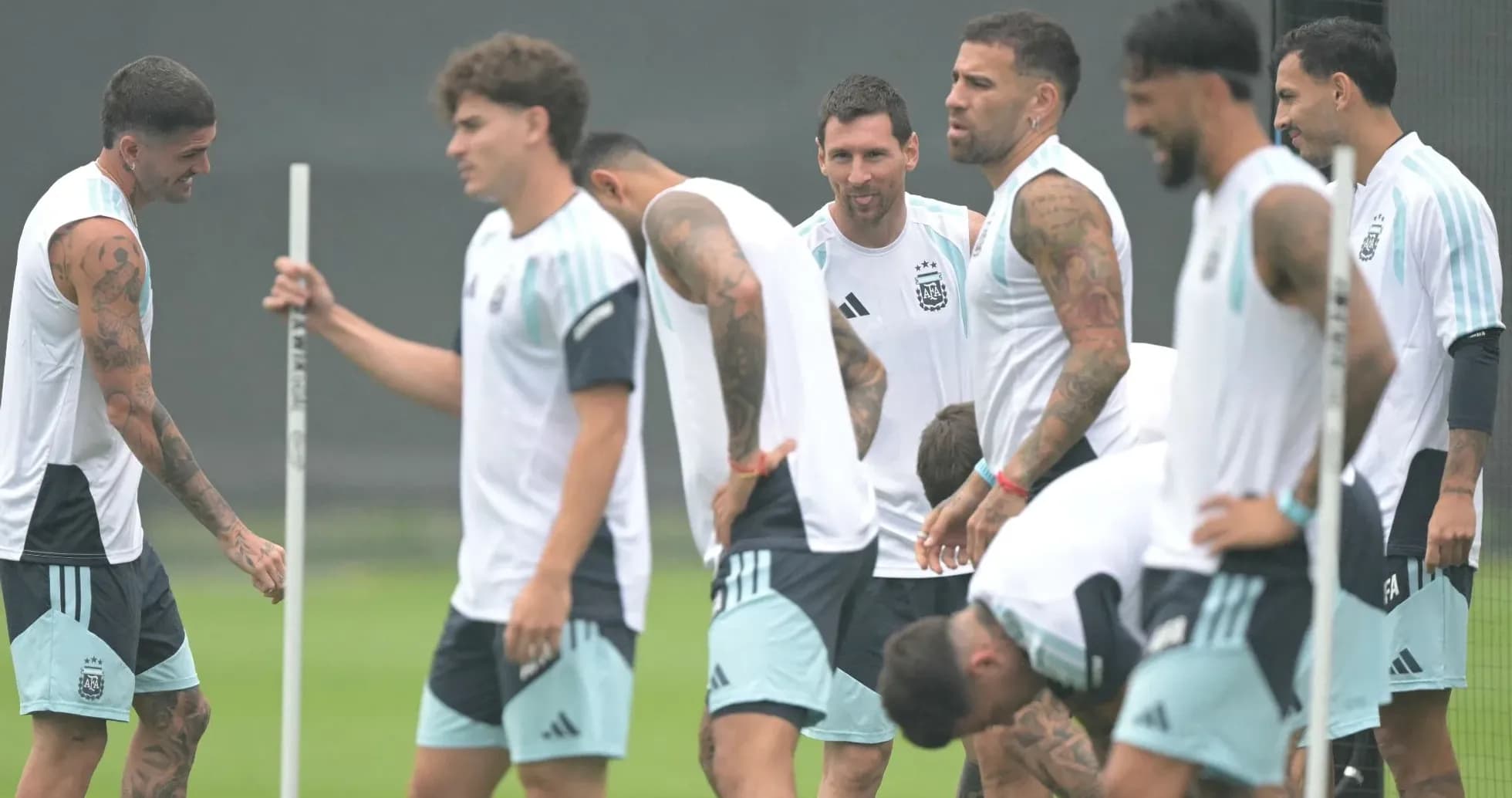
On the pitch, the picture is no less stark. Argentina’s next three friendlies — against Burkina Faso, Bolivia and Benin — will go ahead without Lionel Messi. The captain has already retired from international football, and for the first time in years, an Argentina camp will gather with no expectation of his late arrival, no No. 10 to orbit around.
The October window had been earmarked as a chance to honour him properly, a farewell tribute for the man who dragged the shirt to the very summit of the game. That plan is now in serious doubt.
The relationship between Messi and the AFA has frayed. La Gazzetta dello Sport reports that a major tribute remains “on the table”, but that Messi is “not entirely convinced” about taking part. The tension is not only emotional; it is financial and institutional.
Messi, the paper notes, feels he has given the association an enormous amount — not just in goals, assists and trophies, but in pure economic value. His presence has swelled sponsorship deals, TV rights and commercial income. In return, the sense from his camp is that the AFA has not matched that contribution in respect and clarity.
Unpaid bonuses and growing resentment
The money issue does not end with Messi. It runs through the squad.
According to La Gazzetta dello Sport, the bonuses owed to the players for their recent achievements are still being debated. Inside Argentina, more than one voice insists that the World Cup finalists are effectively creditors of the AFA, and that the sums owed to the squad are substantial.
That dispute cuts deep. It is not just about numbers on a spreadsheet; it is about trust. When players feel the governing body is dragging its feet on bonuses earned on the pitch, every call-up becomes a negotiation, every long-haul flight a question mark.
Put that against the backdrop of legal accusations against the president, and the picture darkens.
Stars cool on call-ups
Add it all together and the pattern becomes clear. The enthusiasm of Argentina’s European-based stars for the upcoming friendlies is fading fast.
La Gazzetta dello Sport captured the mood with a sharp line: when you consider everything, you understand why the national team’s European-based players are not exactly thrilled at the idea of flying across the Atlantic to face three national teams “whose names begin with the letter B, and it is not Brazil.”
The opposition — Burkina Faso, Bolivia and Benin — would normally be seen as routine preparation, a chance to rotate, experiment and blood new faces. In the current climate, the games look more like an obligation than an opportunity.
Several key figures could stay away. Lautaro Martínez, Julián Álvarez and Alexis Mac Allister are among those who may miss the window. For a squad used to operating as a tight, unified block under Scaloni, the prospect of a fragmented group, absent stars and a coach halfway out the door feels like a step back into the instability of past eras.
A champion in limbo
Argentina stand at a strange crossroads. They are still the reigning world champions in spirit, still boasting a core of elite players at the peak of their powers, but the foundations beneath them are shaking.
A president under legal scrutiny. A coach drifting toward the exit. A legend unconvinced by his own farewell. Players waiting on money they believe they are owed.
The trophies are in the cabinet. The memories of Qatar remain fresh. But as the next international break looms, the real question is no longer about tactics or line-ups.
It is whether the AFA can get its house in order before this golden era slips through its fingers.