Ajax’s Rebuild: Cruyff's Strategic Moves and Key Signings
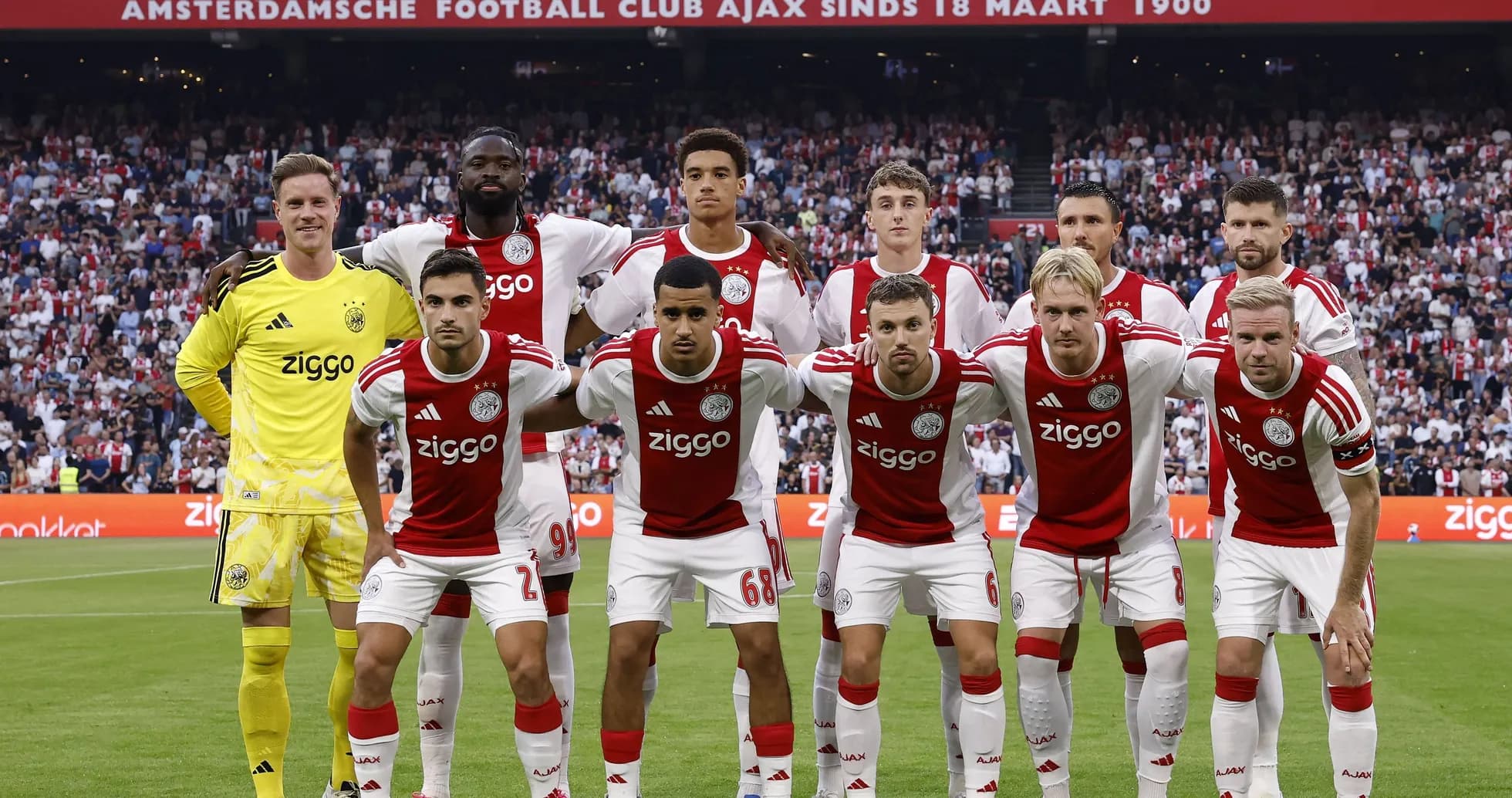
Jordi Cruyff has seen enough transfer windows to know when a club still carries weight. This summer, he watched it in real time — in the eyes of players who, not long ago, might have looked elsewhere.
Say the name “Ajax,” and the room still changes.
Speaking to ESPN NL after a demanding window in Amsterdam, the sporting director painted a picture of a club that refuses to accept its recent slide as the new normal. Marc-André ter Stegen. Sofyan Amrabat. Julian Brandt. Big names, big résumés, all choosing a side that is openly rebuilding rather than one already at the summit.
“When you mention the name Ajax, you can see from their eyes that they are very interested,” Cruyff said. “We have to get back to the top. Senior players want to compete and perform at their peak right now.”
That urgency shaped everything Ajax did.
Brandt in the shadows
Cruyff, raised on Johan’s uncompromising standards, has little interest in transfer theater. He talked about human connections, not data decks. Less powerpoint, more eye contact. Less selling a project, more talking to a person.
One deal in particular lit him up: Julian Brandt.
The German playmaker arrived under a cloak of near-total secrecy, a rarity in an age where negotiations leak long before signatures dry. Ajax kept it quiet, worked in silence, and then dropped the news on a Friday evening.
No drip-feeding, no slow-burn saga. Just a jolt.
“For once, we as a club showed that we determine when information comes out,” Cruyff said. Then he reached for a familiar line from his father, Johan: “If you don’t shoot, you will never score. Sometimes you just have to try.”
That was the tone of the window. Calculated, but not timid.
Free agents, loans, and a different kind of risk
Outside the club, the noise has been predictable. High-profile arrivals usually mean one thing in modern football: a swollen wage bill and questions about sustainability. Critics circled Ajax’s new structure, asking if the club was gambling with its salary commitments.
Cruyff pushed back hard.
For him, the real danger lies elsewhere — in the transfer fees that have distorted the market and broken balance sheets across Europe. Ajax, he argued, went the other way. They leaned on free agents and loan deals, protecting themselves from the kind of long-term damage that comes with overpaying in the market.
“This is not risky at all,” he insisted. “The biggest risk is paying expensive transfer fees from club to club. Eight of eleven new players arrived for free or on loan.”
That approach matters even more without Champions League money. Ajax are operating without the cushion that usually softens a rebuild at this level. According to Cruyff, sales revenue still comfortably outstripped spending, leaving the books in respectable health despite the absence of Europe’s most lucrative competition.
The message is clear: this is an aggressive sporting reset, not a financial roll of the dice.
Accepting the food chain
There is, however, one reality even Ajax cannot rewrite: the Dutch league remains a launchpad. Talents rise in Amsterdam, then disappear into Europe’s wealthiest squads. This summer brought another reminder in the form of Mika Godts heading to Paris Saint-Germain.
Cruyff did not waste energy pretending otherwise. He accepted it as part of the ecosystem — painful, but predictable. The Eredivisie, and Ajax within it, still function as a springboard to the elite.
The response, in his view, is not denial but adaptation. Recruit smarter. Sell well. Replace quickly. Keep the cycle turning without losing the club’s identity.
De Topper as the first real test
All of this now moves from theory to reality. The transfer stories are over; the fixtures list takes over. And the first major examination could hardly be tougher.
De Topper. PSV.
Where Ajax have changed almost everything, PSV have something Cruyff openly acknowledged: stability. An established core, continuity in key areas, and the rhythm that comes with it.
On paper, that gives the champions the edge. On the training pitch in Amsterdam, it sets the challenge.
Cruyff will not publicly lower the bar. He expects this rebuilt Ajax to fight on every front, right away.
“We have taken a big step in the right direction,” he said. “Our job now is to prove it tangibly on the pitch.”
The signings are in. The accounts are balanced. The secrecy masterstroke with Brandt has already given the club a psychological lift.
Now comes the only judgment that matters in Amsterdam: what does all of that look like when the whistle blows against PSV?