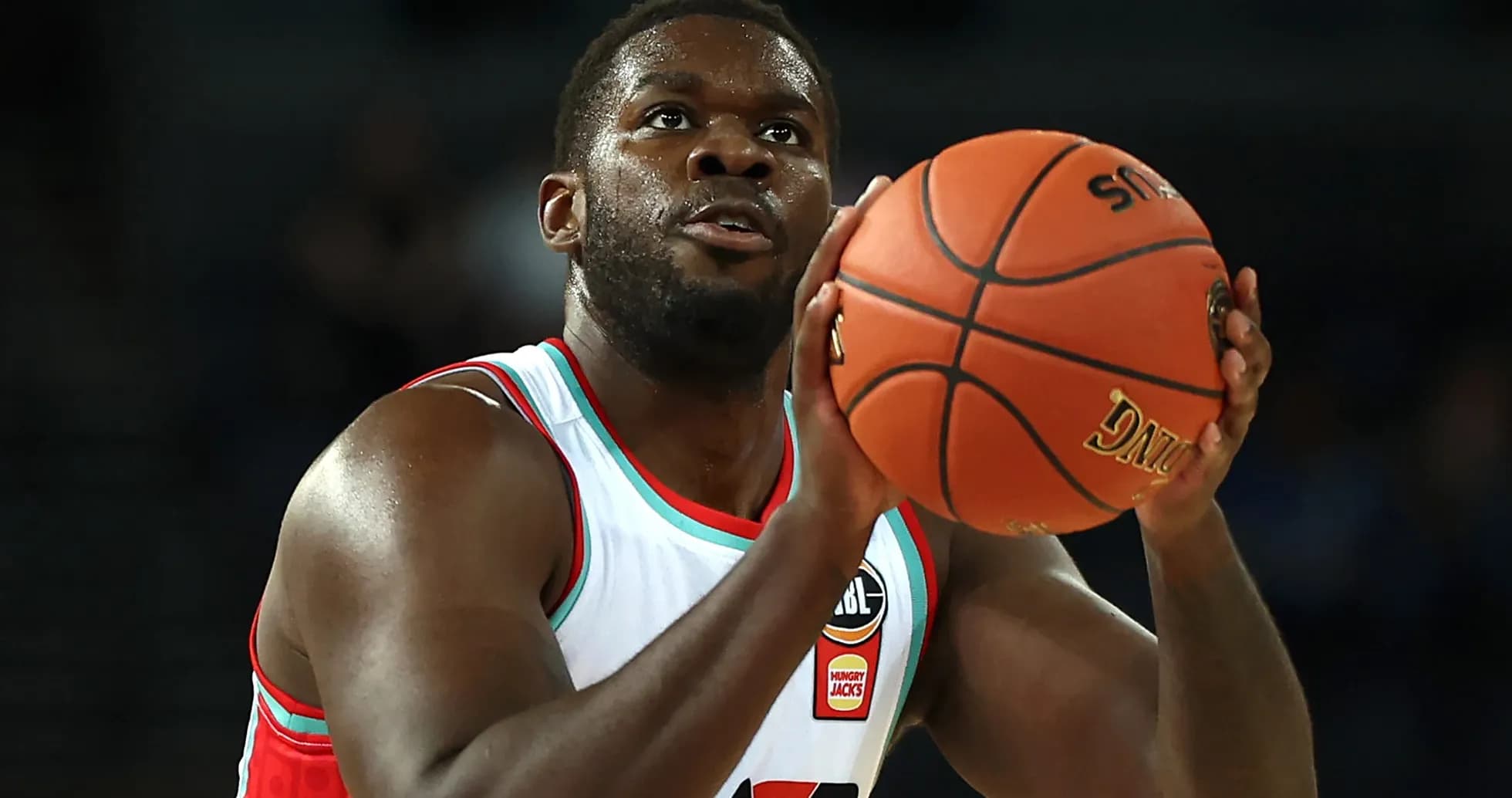
Adam Silver Addresses Clippers Punishment and Lakers Sale
NEW YORK — Adam Silver walked out of the Board of Governors meetings in midtown Manhattan with one message nailed to the door of the NBA’s 81st season: the Los Angeles Clippers’ punishment is done, and it is meant to sting.
The league stripped the Clippers of five first-round picks, hit the franchise with a $30 million fine, and suspended owner Steve Ballmer from all league and team activities for a year. The NBA ruled that the organization “knowingly” tried to help Kawhi Leonard secure off-court income opportunities, a direct shot at the integrity of the salary-cap system.
Two Clippers executives were also suspended. Leonard received a $700,000 fine. None of them were in the room as governors and league officials wrapped up two days of meetings ahead of opening night on Oct. 20, when the New York Knicks begin their title defense against the Philadelphia 76ers.
Ballmer has already taken his medicine publicly, apologizing to fans and announcing he will not contest the penalties.
Silver admitted the decision wasn’t simple. The league wants accountability without crippling one of its 30 franchises.
“We still want to be a 30-team league, and we recognize that, in some ways, we're unfortunately punishing the fans of that team as well. And so that's the balance we're trying to seek,” he said.
The commissioner stressed that sanctions must carry “competitive consequences” to keep teams from treating fines as a cost of doing business. Draft capital, not just money and suspensions, became the lever.
The Clippers’ punishment landed against the backdrop of a major roster reset. On June 30, they completed a trade sending Leonard back to the Toronto Raptors — where he won the 2019 title — for Brandon Ingram, Gradey Dick, two unprotected first-round picks, a first-round pick swap, and two second-rounders. The deal sat in limbo at the team’s discretion while the league finished its investigation. Once Silver’s office closed the file, the trade finally moved.
The message to the rest of the league was clear: push the boundaries of the cap, and you risk your future as much as your present.
Lakers sale under spotlight
While the Clippers dealt with fallout, the other team in Los Angeles sat at the center of a different kind of storm.
The Lakers are in the process of being sold by Los Angeles Dodgers co-owner and TWG Global CEO Mark Walter for a record $12.5 billion to a group led by businessman Josh Kushner and former Disney CEO Bob Iger. It is a staggering valuation, even by Lakers standards, but the deal is already tangled in family and legal tension.
Jeanie Buss, the Lakers’ controlling owner, is challenging the sale. She argues that her five siblings do not have the authority to sell the family’s remaining 17.8% stake. Because Buss holds more than 15% of the franchise, she remains the team’s governor and retains key decision-making power.
Silver said he only learned Walter wanted to sell when potential buyers approached the league claiming they had a handshake agreement. The commissioner also addressed the separate cloud hanging over Walter, who is under federal scrutiny for potential financial improprieties at two insurance companies he controlled.
“Even to this day, as you know, these are allegations,” Silver said.
The league, he added, found no red flags when Walter originally purchased the team in October 2025. “There are issues that are now being looked into, but independent of Mark Walter choosing to sell this team right now, he was not being investigated by our league.”
So the Lakers, one of the NBA’s cornerstone brands, sit in a rare moment of uncertainty: a record sale in motion, a family dispute simmering, and a high-profile owner under federal examination — all while Jeanie Buss still holds the governor’s chair.
Expansion dreams, Portland warning
Silver’s attention did not stay in California. The league’s long-running flirtation with expansion — particularly in Las Vegas and Seattle — again took a step toward reality.
There is no firm timetable. The NBA has not added a franchise since the Charlotte Bobcats joined in 2004, bringing the league to 30 teams. A decade later, the Bobcats reclaimed the Hornets name. Since then, expansion has been a constant talking point but never a signed document.
That could change soon. Silver said the next round of bids for potential new teams in Las Vegas and Seattle is expected shortly.
In Vegas, the league is weighing options. “I think that there is real excitement around either, you know, a renovated T-Mobile Arena,” Silver said, before noting the building “still needs some significant improvements.” He also pointed to groups pitching a “modern entertainment palace” in the city, leaning into Las Vegas as a unique, entertainment-driven market.
Seattle, a city still smarting from the loss of the SuperSonics, remains a prime candidate, though Silver stopped short of making promises. The sense is clear: both markets are in the queue, waiting for the league to decide when, not if, to grow.
While expansion markets line up, one existing franchise received a blunt message. The Portland Trail Blazers, under owner Thomas Dundon, remain locked in a long-running struggle over a new arena to replace the aging Moda Center, which opened in 1995 and is now considered one of the league’s weakest venues.
Silver did not dance around it. The Blazers, he said, need a new building. He called potential relocation a “failure” and insisted the league has not discussed moving the team. But the warning was unmistakable.
“It is important, at the same time, that Tom Dundon reaches a deal with the city officials and the state elected officials that makes operating important and viable for the long term. So that's what we're focused on.”
In other words: Portland’s future in the league hinges less on wins and losses and more on concrete, steel, and political will.
As the NBA barrels toward opening night, Silver has drawn his lines. The Clippers pay for crossing them. The Lakers wait to see who ultimately owns their future. Portland fights to secure its home. Las Vegas and Seattle circle, ready for a call.
The 81st season starts on Oct. 20. The bigger question is what the league will look like by the time it reaches its 85th.