2026 FIBA World Cup: Team USA Faces New Challenges in Berlin
Berlin will be the center of the women’s game on Sept. 4, when the 2026 FIBA World Cup tips off and the sport’s biggest powers converge on Germany’s capital. Sixteen nations, expanded from the 12-team field in 2022, will chase the same prize. One of them arrives with a target on its back as large as the trophy itself.
Team USA has owned this stage for decades, winning nine of the last 12 World Cups and the last four in a row. The expectation is always gold. This time, Kara Lawson is the one carrying that weight.
She sounds eager for it.
A dynasty under real pressure
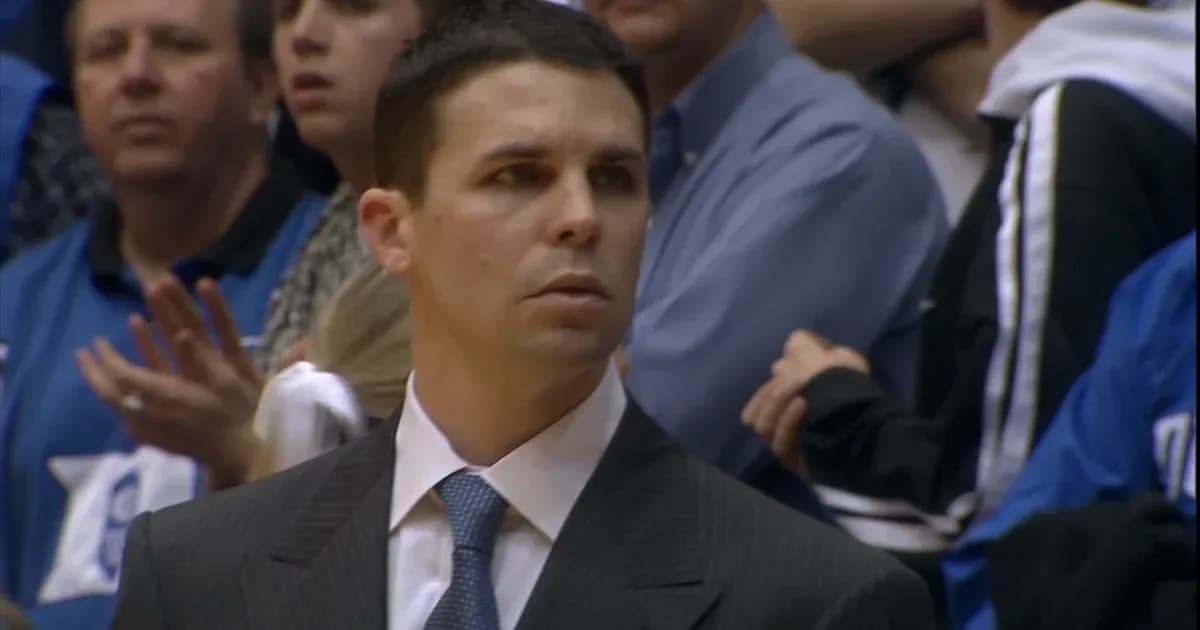
Lawson, the Duke head coach who once wore this jersey herself, made it clear this will not be a coronation. The rest of the world is coming.
“There's no question that the world is improving at a rapid rate,” she said. She sees it from the ground up, watching teenage prospects in FIBA youth tournaments, watching the skill level rise, the depth grow. Look down today’s World Cup rosters and it’s no longer one star and a cast of role players. It’s “a number of just high quality players,” as she put it, across multiple teams.
That’s why Lawson believes this will be the hardest World Cup for the U.S. to win in modern memory. More talent. More depth. More teams capable of catching a giant on an off day.
And she welcomes that.
“You should want it to be difficult, you know? It should be hard to win. It's a World Cup,” Lawson said. Best teams, brutal schedule, short tournament. No excuses. Every team has the same job: try to win the thing.
Her group, she insisted, is “hungry” and “focused on trying to put our best performances on display and see if we can get the job done.”
The Clark factor
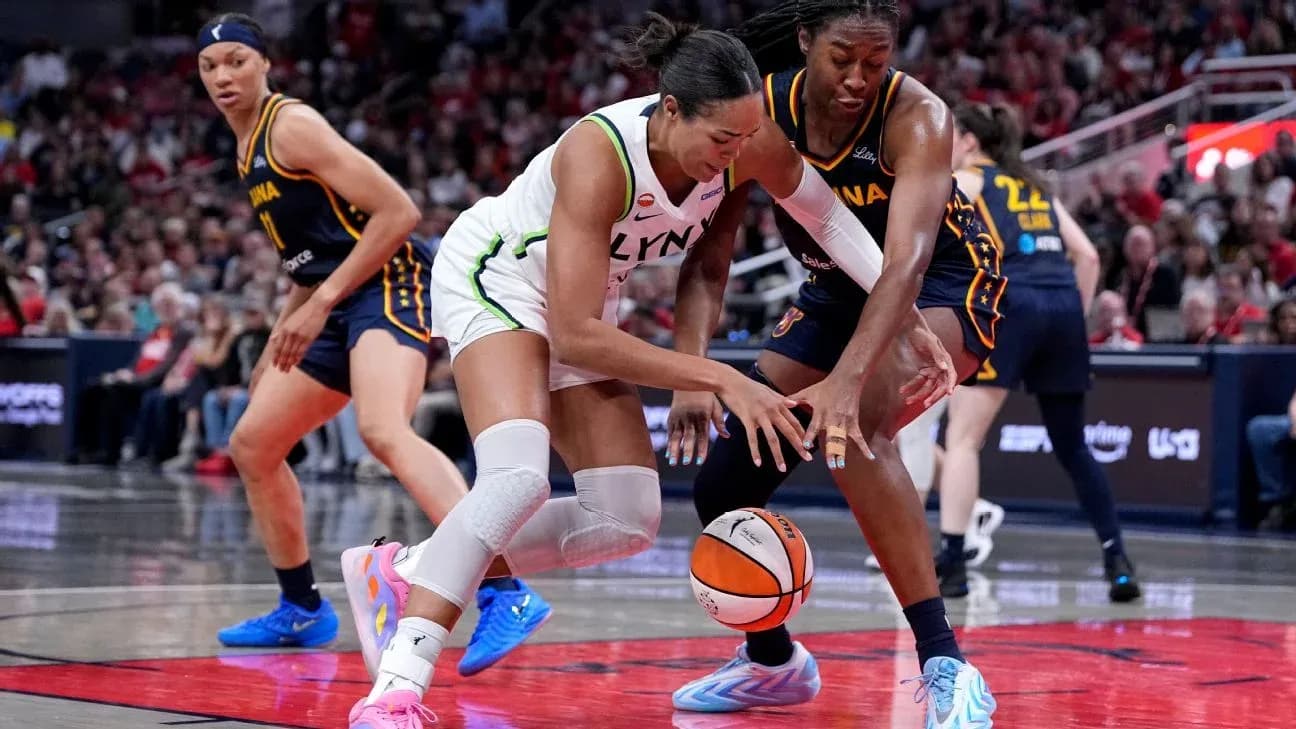
One of the biggest reasons this American team feels different: Caitlin Clark is finally on the World Cup stage.
Lawson has had a front-row seat to Clark’s rookie season with the Indiana Fever, tracking her transition from college phenomenon to professional playmaker. The verdict from the national coach is simple: she’s ready.
“Caitlin's focused. She's had a great campaign with Indiana. I've gotten to watch her a lot in person this summer. So she's locked in and ready to go,” Lawson said.
Clark changes the geometry of the floor. Her deep shooting stretches defenses into uncomfortable territory. Her pace with the ball drags bigs into space. Her passing punishes help defenders who overcommit to her scoring threat.
“She’s somebody that can change games with her ability to create pace, her ability to score, playmaker,” Lawson said. That blend, in her eyes, fits perfectly with the personnel around Clark on this roster.
The intrigue lies in the unknown. WNBA teams already bend their entire game plan around Clark’s gravity. Will FIBA defenses do the same? Or will coaches overseas throw something entirely different at her in her first major senior tournament?
“The spacing that she provides, the attention that she generally draws in the WNBA ― we'll see if that's the same,” Lawson said. “That's another part of FIBA that we'll have to see, since it's her first time here, is how people defend her. Is it similar to what we see in the States, or is it a little bit different?”
For now, Lawson calls it “fact-finding mode” in some of those areas. The expectation, though, is not tentative. She’s “excited about having her on the team” and “expecting her to make an impact for us each game.”
A new wave in red, white and blue
Clark is not walking into Berlin alone. This World Cup doubles as a coming-out party for a new American generation.
Angel Reese, Paige Bueckers, Kiki Iriafen and Sonia Citron are all set for their World Cup debuts. Each arrives with a different profile — from Reese’s relentless rebounding and edge, to Bueckers’ poise and shot-making, to Iriafen’s rising star status and Citron’s two-way versatility — but together they signal a shift. The U.S. is not just defending a title; it is reloading in real time.
On Tuesday, that young core stepped onto the practice court in Berlin for the first time in World Cup colors. It wasn’t an all-out session. Lawson called it “a light day,” focused on getting “a light sweat” and installing early concepts.
“We had a good day today ... It was great to get out on the court with them,” she said. The real work, she added, ramps up tomorrow: “We'll do a little bit more.”
Chemistry will not be optional. It will be the backbone of any American run.
No time to look back
The U.S. will not have two of its most decorated stars. A'ja Wilson and Kelsey Plum are out of this World Cup, and their absence strips away a layer of experience and scoring that has defined recent American dominance.
Lawson did not dwell on it.
“I didn't have any conversation with A'ja ... I don't have a timeline,” she said when asked about Wilson ahead of the tournament. “We'll miss being around them ... We wish them both a speedy recovery... but we don't have time to be worried about who's not here.”
The message to her locker room is blunt: the tournament doesn’t slow down for anyone. The focus, she said, will be on chemistry and building with the players on the floor, not the ones on the injury report.
From gold medalist to head coach
For Lawson, Berlin is not just another stop on the coaching circuit. It’s a full-circle moment.
She wore the USA jersey at the 2008 Olympics, coming off the bench to drop 15 points on a perfect 5-for-5 shooting night in the gold medal game against Australia, adding three rebounds, two assists and a steal. She knows what it feels like to stand on the podium with the anthem playing and the world watching.
“The opportunity is an amazing one, and as a player that played for the federation ... there's a lot of pride that comes into representing our country and representing all the legends before us that played the game,” she said on Aug. 22.
Now she stands at the helm, after guiding Duke to back-to-back ACC titles and consecutive Elite Eight trips since taking over in 2020. Internationally, her roots with USA Basketball run deep. This, though, is the pinnacle.
“Now to be able to be a head coach and take the helm of the program, there's not a higher honor in our sport,” Lawson said.
On Friday in Berlin, the ball will go up, and the rest of the world will take its best shot at the reigning queens. The U.S. arrives with a new coach, new stars, and the same unforgiving standard.
If this really is the most difficult World Cup to win, as Lawson believes, then we’re about to find out just how strong this next era of American dominance truly is.