2026–27 UEFA Women’s Champions League: Arsenal, Barcelona, Chelsea Face Tough Draws
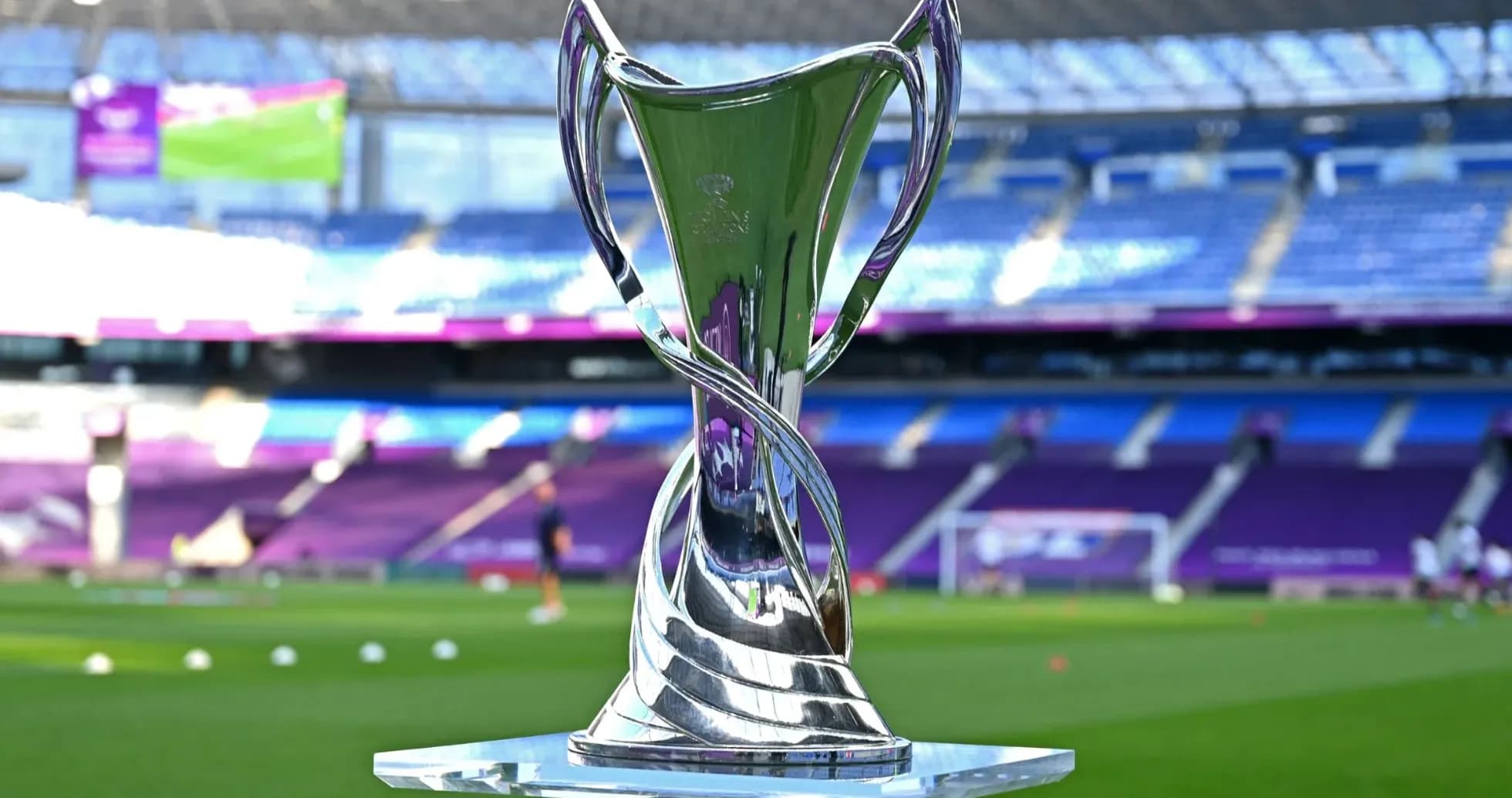
The 2026–27 UEFA Women’s Champions League league phase is set, and the draw in Nyon has delivered exactly what this competition thrives on: heavyweight collisions, unforgiving schedules, and no hiding places for the contenders.
Arsenal thrown into the deep end
Arsenal went to Nyon as a Pot 1 side. They left with one of the most brutal slates imaginable.
Barcelona and Lyon, the two great modern pillars of the women’s game, both lie in their path. For a club desperate to turn domestic promise into sustained European authority, there could hardly be a harsher examination. Every slip will be punished, every weakness exposed.
Barcelona, the benchmark for everyone, will test Arsenal’s ambitions and resilience. Lyon, the eight-time champions and serial collectors of European trophies, bring a different kind of pressure: the aura of a team that expects to win this competition every single year.
The Gunners’ schedule doesn’t relent beyond the headline names. Benfica and Paris FC are awkward, organised, and capable of stealing points from anyone. HB Koge and Inter round out the list, but in this format there are no freebies. Goal difference, rotation, mentality – all of it will be under the microscope from the first whistle.
For Arsenal, this isn’t just a group of fixtures. It’s a season-defining gauntlet.
Barcelona and Bayern set for collisions on all fronts
Barcelona’s own run of games underlines just how unforgiving this league phase will be. The Spanish champions will meet Bayern Munich in a clash that feels like a late-stage knockout tie dropped into the early calendar.
Their schedule also includes Roma, Paris FC, Servette, and HB Koge. On paper, Barça remain favourites to surge through, but the travel, the tactical variety, and the constant expectation to dominate will test their depth and focus.
Bayern, meanwhile, have drawn a slate that looks as balanced as it is dangerous. They meet Barcelona and Paris Saint-Germain in marquee ties that will shape the top of the table. Real Madrid, Benfica, Manchester City, and Austria Wien complete a run of fixtures that pulls in powerhouses from Spain, France, and England, plus ambitious challengers from Portugal and Austria.
There will be no quiet nights for Die Roten. Every game carries weight. Every point matters.
Chelsea’s gauntlet of French giants
Chelsea, another Pot 1 heavyweight, have been handed a schedule rich in storylines and tactical intrigue.
Lyon and Paris Saint-Germain stand out immediately. Those two fixtures alone offer a compelling test of Chelsea’s evolution at the very top level. Lyon bring history and ruthlessness; PSG bring pace, technical flair, and the constant threat of chaos in transition. For Chelsea, these are the matches that will show whether they can control games against the very best or whether they will be dragged into the kind of end-to-end battles that decide seasons.
Around those blockbusters sit Roma, Hacken, Austria Wien, and OH Leuven. None will be treated as warm-ups. Roma’s growth in Europe continues, Hacken are stubborn and well-drilled, and Austria Wien and OH Leuven will see Chelsea as the scalp that could transform their campaign.
This is a schedule that demands rotation, resilience, and an unflinching mindset.
City face a steep climb from Pot 3
Manchester City, drawn from Pot 3, have been handed a route that offers opportunity but little comfort.
PSG and Bayern come from the top tier of seeds, two clubs with the resources and pedigree to punish any lapse. Real Madrid and Hacken arrive from Pot 2, adding further layers of difficulty and tactical variety. Austria Wien and Inter complete City’s card, but there will be no room for complacency.
For City, the challenge is clear: take something from the games against the giants and be almost flawless against the rest. Drop points in the wrong place, and the climb becomes almost vertical.
Lyon still the standard-bearers
Lyon remain the competition’s great constant. Eight titles, a culture built on winning, and a squad that expects to be in the latter stages every year.
Their league-phase path is loaded with narrative. Meetings with Chelsea and Arsenal will dominate headlines, but the French champions will also face Juventus, Hacken, Inter, and Servette. It’s a schedule that mixes glamour with potential traps.
Juventus and Inter bring Italian steel and tactical discipline. Hacken and Servette are the sort of sides that punish any drop in intensity. Lyon know this terrain, though. They’ve lived in this pressure zone for more than a decade.
They won’t accept anything less than control.
Madrid’s push to break the hierarchy
Real Madrid’s ambition is no secret. They want to break the grip of the established elite, and this draw gives them both a platform and a warning.
PSG and Bayern headline their list of opponents, the kind of fixtures that reveal whether Madrid are ready to move from dangerous outsider to genuine contender. Paris FC, Roma, Inter, and City complete a demanding schedule that will test their squad depth and tactical flexibility.
The Spanish club have invested heavily to compete at this level. The key now is simple: take points off the Pot 1 sides. Do that, and the narrative around Madrid shifts. Fail, and they remain on the outside looking in.
Italian hopes pinned on Juventus and Roma
Italy’s hopes rest with Juventus and Roma, both staring at unforgiving runs.
Juventus must navigate Lyon, PSG, Benfica, Hacken, OH Leuven, and Austria Wien. The French giants will dominate the conversation, but Benfica and Hacken are seasoned European operators, and the others will scrap for every inch.
Roma, meanwhile, face Barcelona, Chelsea, Madrid, Benfica, Servette, and OH Leuven. It is a demanding list, but also a chance to accelerate the club’s European rise. Take a big scalp, and the perception of Roma changes overnight.
Every goal, every point, every margin
Across the board, the message from this draw is blunt: there is no soft landing.
The final league standings will dictate the route through the knockouts, and that reality will shape every decision. Coaches will weigh rotation against risk. Players will know that a late goal in October could decide a quarter-final in March.
The stage is set. Now the question is simple: who can live with this level of pressure, not just for one night, but all season long?